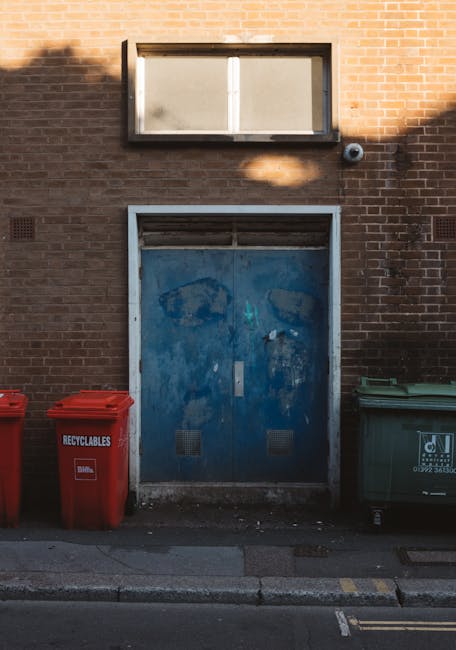
How to arrange rubbish collection for Cambridge Heath Road flats
If you live in a flat on Cambridge Heath Road, rubbish collection can be oddly fiddly. One week it's a broken wardrobe, the next it's a few bin bags after a clear-out, and suddenly you're trying to work out who can collect it, when they can get in, and whether the loading bay will be free. Truth be told, that's where a bit of planning saves a lot of hassle.
This guide explains how to arrange rubbish collection for Cambridge Heath Road flats in a way that actually works in day-to-day life. You'll see the practical options, the access issues people forget, what to ask before booking, and how to avoid the classic flat-block headaches like missed collections, blocked entrances, and waste left sitting around too long.
For a broader look at services that can help with different kinds of household waste, you may also find rubbish removal, domestic skip hire, and waste recycling services useful. If you want to understand what is and is not accepted, the page on what can go in a skip is a sensible place to start.
Table of Contents
- Why this matters for Cambridge Heath Road flats
- How the collection process works
- Key benefits and practical advantages
- Who this is for and when it makes sense
- Step-by-step guidance
- Expert tips for better results
- Common mistakes to avoid
- Tools, resources and recommendations
- Law, compliance and best practice
- Options, methods and comparison table
- Case study or real-world example
- Practical checklist
- Conclusion
- Frequently asked questions
Why How to arrange rubbish collection for Cambridge Heath Road flats Matters
Flat living changes the whole waste-removal picture. In a house, you can usually wheel things to the front and deal with it. In a block of flats, there are shared entrances, limited kerb space, neighbours coming and going, and often a narrow window for a collection vehicle to get close enough.
That matters for three simple reasons. First, rubbish left in shared areas becomes a nuisance quickly. Second, the wrong collection setup can create access problems for everyone in the block. Third, bulky items can be a real pain to move if you leave them until the last minute. Nobody wants a sofa balanced in a corridor at 8am while the lift is out of action. It's not ideal, to say the least.
Cambridge Heath Road is also a busy stretch, so timing and vehicle access are a bit more than a nice-to-have. If you're trying to get a collection organised, you need to think about where the vehicle will stop, whether waste needs to be carried through a lobby, and whether your building management has any rules about deliveries or removals. The smoother the handover, the less disruption for everybody.
For residents dealing with a bigger clear-out, services such as house clearance and garage and loft clearance can be useful alternatives when you do not want to manage the lift, stairs, or shared access yourself.
Practical takeaway: the best rubbish collection for flats is rarely the cheapest-looking option on paper. It's the one that fits the building, the access, the waste type, and the timing without creating extra work for you or the neighbours.
How How to arrange rubbish collection for Cambridge Heath Road flats Works
At a simple level, arranging collection means choosing the right waste method, confirming what you need removed, and making sure the collection team can actually reach the waste. The details matter more than people expect.
Most arrangements for flat waste fall into one of these patterns:
- Pre-bagged household rubbish collected from a convenient ground-floor point or outside location.
- Bulky waste removal for items like mattresses, sofas, wardrobes, or white goods.
- Skip-based collection where a skip is delivered and loaded over a set period.
- Wait-and-load where the vehicle stays while you load waste quickly, then takes it away.
- Grab hire or man-and-van style collection where the crew removes mixed waste without leaving a container behind.
The right choice usually depends on the amount of waste, how easy it is to carry out, whether parking is available, and how long you need. For some flats, a skip is perfect. For others, it's a headache because of limited space or building restrictions. In those cases, wait and load skip hire or grab hire services may fit better.
If the collection is for a one-off flat clearance rather than regular waste, a van-based removal can be very efficient. If you need a more compact solution for a tight block or a hard-to-park road, an enclosed container may be worth considering too. The page on enclosed and lockable skip hire is especially relevant if security or weather protection is on your mind.
In practice, the booking process usually goes like this: you describe the waste, confirm access, choose a date, agree where the collection will happen, and make sure any building rules are covered. Straightforward on the surface, but the access check is where people often trip up.
Key Benefits and Practical Advantages
Getting the collection arranged properly brings more than convenience. It can make the whole building feel calmer. Seriously. When rubbish is handled neatly, the block looks better, smells better, and feels more organised.
- Less disruption for neighbours: no endless trips through hallways with armfuls of rubbish.
- Safer shared spaces: fewer trip hazards, less blockage in corridors, and less clutter near exits.
- Better timing control: you can arrange a pickup that works around work, school runs, or the building's access window.
- Cleaner waste handling: items can be sorted more effectively, which helps recycling.
- Reduced stress: you know who is coming, what they'll take, and how the collection will happen.
There's also a cost benefit. If you choose the wrong method, you can end up paying for wasted time, additional labour, or a second visit. That's especially frustrating if the job was small in the first place. A quick phone call or booking note can prevent that. Small thing, big difference.
Waste-specific services can also be a better match than a general solution. For example, mattress and sofa disposal makes sense when you only have a couple of bulky pieces, while fridge and appliance removal is the safer route for old white goods that need proper handling.
Who This Is For and When It Makes Sense
This topic is relevant to a wide mix of people living or working around Cambridge Heath Road. If any of the scenarios below sound familiar, you're probably in the right place.
- Tenants clearing out before a move-out inspection.
- Flat owners dealing with years of accumulated clutter.
- Landlords managing waste after a tenancy change.
- Managing agents arranging shared-area clearance.
- Small businesses operating from mixed-use buildings and needing a discreet collection.
- Residents with bulky items that will not fit in normal bins or communal waste points.
It also makes sense when your usual bin system just won't cope. Perhaps the bins are already full, or maybe the waste includes items that should not go into communal containers. In those cases, booking a dedicated collection is usually the cleaner, safer answer. If the job involves office paperwork, for example, confidential shredding may be a better fit than general disposal.
And yes, timing matters. If you're moving out next week, or a refurbishment starts on Monday morning, you should not be leaving the collection decision until the night before. That rarely ends well.
Step-by-Step Guidance
If you want a simple way to organise it, use this process. It keeps things clear and avoids the kind of last-minute confusion that flat residents know all too well.
- List the waste items. Write down what you need removed, and estimate the amount. Is it a few bags, a broken bed, or a full flat clear-out?
- Check what can be collected. Some items are fine in a mixed load, but hazardous waste, chemicals, and certain electricals may need separate handling.
- Look at access. Can a vehicle stop nearby? Is there a lift? How many stairs are involved? Can the collection crew reach the waste without crossing other residents' paths?
- Choose the right collection method. A skip, wait-and-load, man-and-van, or grab hire solution may suit different situations.
- Confirm any building rules. Ask about loading bays, permitted hours, fob access, concierge requirements, or quiet-time restrictions.
- Book the collection. Be precise about the address, floor level, access notes, and any parking instructions.
- Sort waste before collection day. Bag loose rubbish, separate valuable items, and set aside anything you're unsure about.
- Prepare the route. Keep hallways clear, protect floors if needed, and make sure the waste is easy to reach.
- Be ready on the day. If the crew arrives early, you do not want to be hunting for keys or arguing with the lift door. Been there, done that.
- Check the load is complete. Before the vehicle leaves, make sure nothing important has been taken and that any agreed exclusions are respected.
If you need a clearer view of the cost structure before booking, the page on skip sizes and prices can help you compare container options, while pricing and quotes is useful when you want a more tailored estimate.
Expert Tips for Better Results
A few small decisions make a big difference with flat collections. In our experience, the best jobs feel almost boring because they are planned properly. That's the goal.
1. Give the collector access notes, not just the postcode
Say where the nearest stopping point is, whether there's a gate code, and if the waste is on the third floor with no lift. A postcode gets the team to the area; access notes get the team to the waste.
2. Keep mixed waste under control
Loose rubbish spreads fast in shared buildings. Bagging, boxing, and taping items together sounds dull, but it saves time and keeps the job tidy.
3. Use the right vehicle for the street
On a busy road, a smaller vehicle or a quick-loading method can be much less disruptive. If parking is tight, a wait-and-load approach can be a very neat solution.
4. Ask about recycling before you book
Not all collection services handle waste the same way. If sustainability matters to you, choose a provider that can separate recyclable materials and explain where they go. The page on recycling and sustainability is worth reading if that's part of your decision.
5. Be realistic about time
People often underestimate how long it takes to move things from a flat to a collection point. A mattress and a wardrobe can take longer than expected, especially if there's a narrow stairwell and one of the doors catches. Frustrating, yes, but predictable.
Common Mistakes to Avoid
Most collection problems are preventable. The trouble is, they're easy to miss until the day of the job.
- Booking the wrong method: a skip may be impractical if there's nowhere to place it safely.
- Not checking parking: a van may arrive, but if it cannot stop nearby, collection slows down or fails.
- Leaving everything unsorted: mixed piles create delays and increase the chance of something being overlooked.
- Forgetting hazardous items: batteries, chemicals, and certain electrical goods may need different handling.
- Ignoring building restrictions: some blocks have rules about access times, lift use, or where waste can be stored.
- Underestimating waste volume: what looks like "a few bags" can easily become a full car load. Happens all the time.
Another common issue is assuming every service will take every item. That's risky. If you have awkward items like old appliances, damaged furniture, or mixed renovation debris, it's better to confirm acceptance in advance rather than leave it until collection day. If you are dealing with renovation work, consider the more specific options on builders waste removal and construction waste disposal.
Tools, Resources and Recommendations
You do not need a complicated system. A short checklist, a tape measure, and a realistic estimate of the waste amount will do most of the heavy lifting.
- Measure large items: mattresses, sofas, wardrobes, and appliance dimensions help avoid surprise access issues.
- Take a quick photo: photos of the waste and access route can help when requesting a quote.
- Use a simple room-by-room sort: keep one pile for bags, one for bulky items, and one for anything to question later.
- Note building details: lift size, entry code, loading zone, concierge hours, and any access windows.
- Check disposal rules for special items: fridges, freezers, and some electronics may need specific handling.
For many flat residents, the most practical combination is a collection method matched to access, plus a service that understands the difference between mixed household waste and more specialised loads. If you want a more hands-off option, man and van style removal is often straightforward, while grab lorry hire can be efficient for larger, awkward volumes where access allows.
If you're comparing services rather than booking immediately, book online can be a useful starting point for reviewing the process, and about us can help you judge the provider's approach and professionalism. Not glamorous, but useful.
Law, Compliance, Standards, or Best Practice
Waste collection in the UK is not something to improvise. You do not need to memorise legal codes, but you should know the basics so you can ask sensible questions and avoid avoidable trouble.
As a general best practice, waste should be handled by a legitimate carrier, kept separated where needed, and disposed of responsibly. If you are arranging collection from flats, it is especially sensible to check that the provider works in line with proper waste-handling expectations, insurance, and safe loading procedures. That matters for your building, your neighbours, and the people collecting the waste.
For residents and landlords, a few common-sense compliance points stand out:
- Do not leave waste in shared escape routes. Corridors, stairwells, and entrances need to stay clear.
- Do not place prohibited items into a general load. Hazardous waste should be identified early and handled separately.
- Do not assume the building's communal bins are a catch-all. Large items and bulk waste usually need a dedicated solution.
- Keep collection times sensible. Early-morning noise and access disruptions can quickly annoy everyone in the block.
You can also look for reassurance around safety and operational standards through pages like health and safety policy and insurance and safety. Those pages won't do the job for you, of course, but they do help you assess whether the operation is set up properly.
If a collection involves sensitive documents or storage items from a home office, confidential shredding is the safer route than simply bundling papers into a mixed rubbish pile. Better to be slightly fussy than sorry later.
Options, Methods, or Comparison Table
Here's a practical comparison of the main ways to arrange rubbish collection for Cambridge Heath Road flats. The best option depends on access, waste volume, and how quickly you want it gone.
| Method | Best for | Strengths | Limitations |
|---|---|---|---|
| Skip hire | Ongoing clear-outs, heavier mixed waste | Simple for larger volumes, good if access is easy | May need space and possibly a permit |
| Wait and load | Busy roads, short loading windows | No container left behind, quick turnaround | You must be ready to load promptly |
| Man and van | Flat moves, bulky household items | Flexible, practical for stairs and tight access | Less suited to very large volumes |
| Grab hire | Large waste piles or renovation debris | Efficient for bigger loads, less manual handling | Needs suitable access and space for the lorry |
| Specialist item removal | Appliances, sofas, mattresses | Good for specific items with proper handling | May not suit mixed general waste |
If your building has tight access or no obvious place for a skip, skip hire permits and skip permits are worth checking early, because permit questions are best sorted before the booking, not after the truck has turned up and everyone is staring at the pavement.
For many flats, the answer is not one method forever. It can be one method this month and a completely different one next time. That's normal.
Case Study or Real-World Example
Imagine a second-floor flat on Cambridge Heath Road with a broken wardrobe, four bin bags of general waste, an old microwave, and a mattress that has seen better days. The resident has just had a tenancy end, and the building has a narrow entrance with limited roadside space.
A skip sounds tempting at first, but the road layout and access restrictions make it awkward. In that situation, a smaller, faster collection model is often more realistic. The resident can separate the mattress and appliance from the general rubbish, bag the loose waste, and arrange a single pickup with the right access notes. If the job needs to be done quickly because the keys are being handed back, a same-day option can be a lifesaver.
Now picture a different scenario: a flat renovation with heavy packaging, broken tiles, plasterboard offcuts, and old fixtures. That's a more waste-heavy job, so a construction-focused option makes more sense. Services such as builders skip hire or construction waste clearance are usually better suited than a standard household collection.
The lesson is simple. Match the method to the reality of the building and the waste. That's the whole game, really.
Practical Checklist
Use this before you book. It keeps the process calm and saves the "oh no, I forgot that bit" moment later.
- List every item you want removed.
- Separate general rubbish from bulky items.
- Identify anything hazardous or unusual.
- Check whether your building has access rules.
- Confirm parking or stopping space nearby.
- Measure large items and doorways if needed.
- Choose the collection method that fits the waste and access.
- Ask about timing, loading help, and any restrictions.
- Prepare a clear route from the flat to the collection point.
- Keep valuables, documents, and personal items out of the waste area.
- Make sure someone is available on the day if needed.
- Ask for a quote that reflects the actual job, not just an estimate from memory.
If your waste is more of a household clear-out than a mixed bulky load, it may also be worth comparing house clearance with man and van so you can see which feels less stressful in your situation.
Conclusion
Arranging rubbish collection for Cambridge Heath Road flats is mostly about fit. Fit the waste, fit the access, fit the timing, and fit the building. Once you do that, the whole thing becomes much easier than it first looks.
The key is to be specific. Know what you're removing, know where it is, know how the crew will reach it, and choose a collection method that suits the reality of flat living in a busy part of London. A little planning goes a long way. Honestly, more than people think.
Get a free quote today and see how much you can save.
If you'd like to learn more about the team behind the service, the page on about us is a helpful next stop, and if you're ready to move ahead, the booking process is explained on book online. A tidy flat and a clear landing make a better start to the week than a hallway full of junk, that's for sure.
Frequently Asked Questions
What is the easiest way to arrange rubbish collection for a flat on Cambridge Heath Road?
The easiest route is usually the one that matches your access and waste type. For a few bags or bulky items, a van-based collection is often simpler than a skip. If you have a larger clear-out and enough space, skip hire may be the better fit.
Do I need permission from my building before booking a collection?
Often, yes. Many blocks have rules about access times, loading bays, lifts, or where vehicles can stop. It is best to check with building management or the landlord before booking, rather than finding out on the day.
Can a skip be used outside a flat on Cambridge Heath Road?
Sometimes, but not always. It depends on available space, access, and whether a permit is required. If the road is too tight or parking is restricted, a different method may be more practical.
What if I only have a few items to remove?
For a small load, a compact collection service is usually better value and less disruptive than arranging a full skip. One sofa, one mattress, or a handful of bags rarely needs a large setup.
How do I know if I need a permit?
That depends on where the skip or container will sit and what the local rules are. If the waste has to go on the road or pavement, permits may be involved. It is sensible to ask about skip hire permits early in the process.
Can mixed household waste and bulky items be collected together?
Usually, yes, as long as the provider accepts that mix and it does not include prohibited items. It is always worth listing the waste clearly when you enquire so the right vehicle and load type can be arranged.
What should I do with appliances like fridges or freezers?
These should be handled as appliance waste rather than general rubbish. A dedicated appliance collection is the safer and cleaner choice, especially for items that need special disposal.
Is same-day rubbish collection possible for flats?
It can be, if the provider has availability and the access details are clear. Same-day jobs work best when the waste is already sorted and the collection point is easy to reach.
How can I make collection day less stressful?
Have the waste ready, keep the route clear, and make sure access instructions are shared in advance. That sounds basic, but it saves a surprising amount of time and stress.
What is the best option for a full flat clearance?
For a full clearance, a dedicated flat clearance or man-and-van style service is often the most practical. It is usually more flexible than trying to move everything into a single small container.
What happens if I have hazardous waste?
Hazardous items should not be mixed with ordinary rubbish. Paints, chemicals, gas canisters, and similar materials usually need separate handling. The safest move is to flag them before booking and ask for the appropriate disposal route.
How do I choose between skip hire and rubbish removal?
Choose skip hire if you have space, enough waste to justify a container, and time to load it. Choose rubbish removal if access is tight, the load is smaller, or you want the items taken away in one visit without leaving anything behind.
Can I arrange collection if I live on an upper floor with no lift?
Yes, but you should mention it clearly. Stairs, narrow landings, and awkward turns all affect the time and effort required, so the provider needs to know before they arrive.
Where can I check the company's approach to safety and payments?
You can review pages such as health and safety policy and payment and security if you want reassurance about the process before booking.