Health and Safety Policy — Bethnal Green Skip Hire
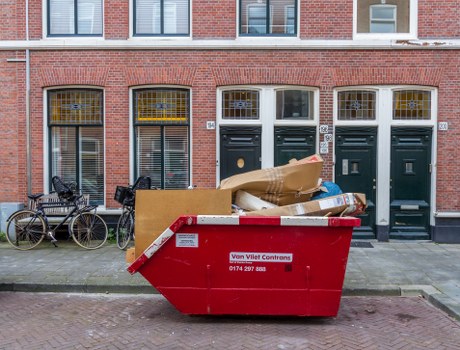 Purpose: This Health and Safety policy outlines the commitment of Bethnal Green Skip Hire to protect workers, contractors, clients and the public from harm associated with skip hire, rubbish removal and waste management operations. The policy sets out the principles that govern safe activity across all service areas, including skip delivery, collection, loading, vehicle movements and on-site waste handling. All employees are expected to understand and comply with these provisions to maintain a safe working environment.
The company adopts a risk-based approach. Responsibilities for health and safety are allocated to managers, supervisors and operatives, and everyone is required to cooperate with safety arrangements. Management will ensure that appropriate insurance, permits and documentation are maintained as required by law. Training, supervision and competency assessments form part of routine operations to reduce the likelihood of incidents and to promote continuous improvement in safety performance.
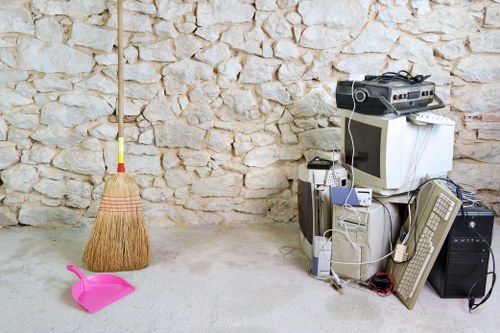 Scope and Application: This policy applies to all skip hire, rubble removal and general waste services operated by the business across its service area. Key commitments include:
- Carrying out regular risk assessments for every site and task
- Ensuring safe systems of work for loading, securing and transporting waste
- Provision and maintenance of suitable personal protective equipment (PPE)
Risk assessment and control measures are integral to daily operations. Supervisors will document hazards, evaluate risks and identify control measures such as exclusion zones, traffic management and mechanical aids for manual handling. Where hazardous waste or suspect materials are encountered, work will stop and the materials will be segregated in line with waste classification procedures. These actions help minimise exposure to harmful substances and prevent environmental contamination.

Responsibilities and Training
Line managers and site supervisors have a duty to ensure that staff receive induction training, refresher courses and task-specific instruction. Training covers safe lifting techniques, correct use of PPE, vehicle loading procedures, emergency response and the handling of hazardous loads. Records of competence and training completion are maintained and reviewed.Employees are required to report hazards, near-misses and incidents promptly. A culture of open reporting supports investigation and learning. Disciplinary action may be taken where reckless behaviour or deliberate non-compliance with safety procedures occurs. Contractors engaged to assist with skips, waste transfer or specialist removal must provide evidence of their own health and safety systems before work commences.
Operations, Vehicles and Equipment
Vehicle safety forms a central part of the policy. Drivers and loaders must inspect vehicles and lifting equipment before use, adhere to scheduled maintenance, and ensure loads are safely secured. Tail lifts, chains and straps are checked for wear and defects. When operating on public highways or customer sites, staff will implement traffic management measures and use high-visibility clothing to protect themselves and other road users. Manual handling risks are managed through engineering controls where possible, such as using mechanical loaders or pallet trucks. When manual handling cannot be avoided, team lifts and mechanical aids are used. Staff are trained in safe handling techniques. In addition, controls for hazardous substances (COSHH principles) are applied where chemicals, asbestos-contaminated materials or sharps are suspected in rubbish loads.
 Emergency procedures include first-aid arrangements, spill response and evacuation plans. Incidents are recorded, and investigations identify root causes and corrective actions to reduce recurrence. The company conducts periodic audits and health and safety performance reviews. Continuous improvement is achieved through monitoring, performance metrics and management review meetings to ensure the policy remains effective and current with regulatory expectations.
Waste segregation and environmental protection are embedded in operations: segregating recyclable materials, containing liquids and preventing fly-tipping. Staff are instructed on correct classification and documentation of special wastes. The company will comply with duty of care requirements for waste transfer notes and disposal records, and will work with authorised treatment facilities to ensure lawful processing of materials.
Health surveillance is arranged where tasks expose staff to specific risks requiring medical monitoring. Where necessary, ergonomic assessments, hearing checks and respiratory protection fit testing are provided. Mental health and wellbeing are also supported through access to appropriate advice and by fostering a supportive workplace culture.
Policy Review and Compliance: This policy will be reviewed at regular intervals and whenever significant changes to operations, legislation or incident trends occur. Senior management retains overall responsibility for ensuring compliance, and line managers are accountable for day-to-day implementation. By adhering to these standards, the company aims to deliver a safe, lawful and professional skip hire and rubbish removal service throughout its operating area.